Restaurants are fast-paced environments where every detail matters — from food safety and workflow to customer experience and energy efficiency. An often overlooked but crucial element in that ecosystem is the door. The right commercial doors for restaurants ensure smooth operations, protect hygiene standards, control temperature, and boost security. This guide lays out practical advice on selecting, installing, and maintaining restaurant doors so they support staff efficiency, comply with regulations, and contribute to a pleasant dining environment.
Why the Right Door Matters in a Restaurant
Doors in a restaurant are not mere dividers; they are active components of daily operation:
- Workflow and throughput: Kitchens and service areas rely on rapid, unobstructed movement. Door type influences how quickly staff can move between zones with trays, carts, and equipment.
- Hygiene and contamination control: Doors are a frontline defense against pests, airborne contaminants, and cross-contamination between raw food prep and dining areas.
- Temperature control: Walk-in chillers, freezers, and heated zones require doors that seal properly to maintain safe food storage temperatures and lower energy costs.
- Safety and compliance: Fire-rated doors, emergency exits, and ADA-compliant access are essential for meeting local building codes and protecting staff and guests.
- Security and asset protection: Back-of-house entrances, delivery bays, and storage rooms need doors that lock reliably to secure stock, cash, and equipment.
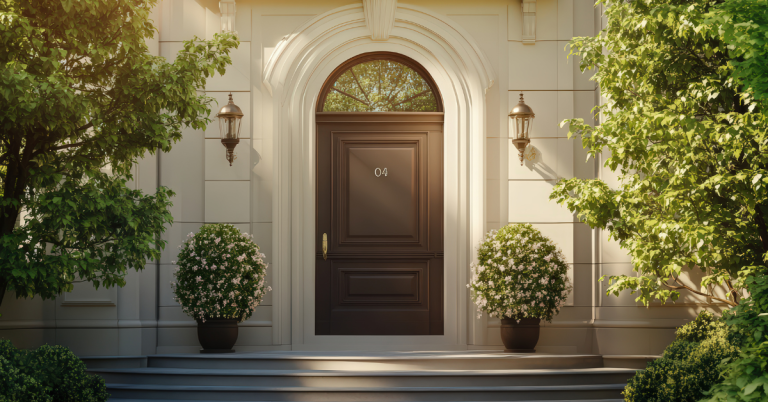
- Customer impression: Entrance doors set the tone for diners. Appearance, transparency, and ease of access contribute to first impressions.
Given these roles, investing in purpose-built restaurant doors pays off in safety, efficiency, and long-term savings.
Common Door Types in Restaurant Environments
Restaurants use a variety of door styles, each suited to particular tasks or locations:
Impact or Traffic Doors
Also called swing or double-action doors, these are ideal between kitchen and service stations. They allow two-way movement without hands (push-through design), reducing contact and keeping staff moving quickly.
Stainless Steel or Metal Service Doors
Used in kitchen zones and storage; resistant to heat, moisture, and frequent cleaning. They can be fitted with kick plates, vision panels, and hygienic finishes that withstand harsh cleaning agents.
Insulated Doors
Walk-in coolers and freezers require insulated doors with high R-values and tight seals. Properly insulated doors reduce compressor workload and energy bills and prevent temperature fluctuations that can spoil food.
Roll-Up and Sectional Doors
Suitable for delivery bays, loading docks, and large openings. Roll-up doors save space and can be fitted with insulation and heavy-duty guides for durability.
Glass and Entrance Doors
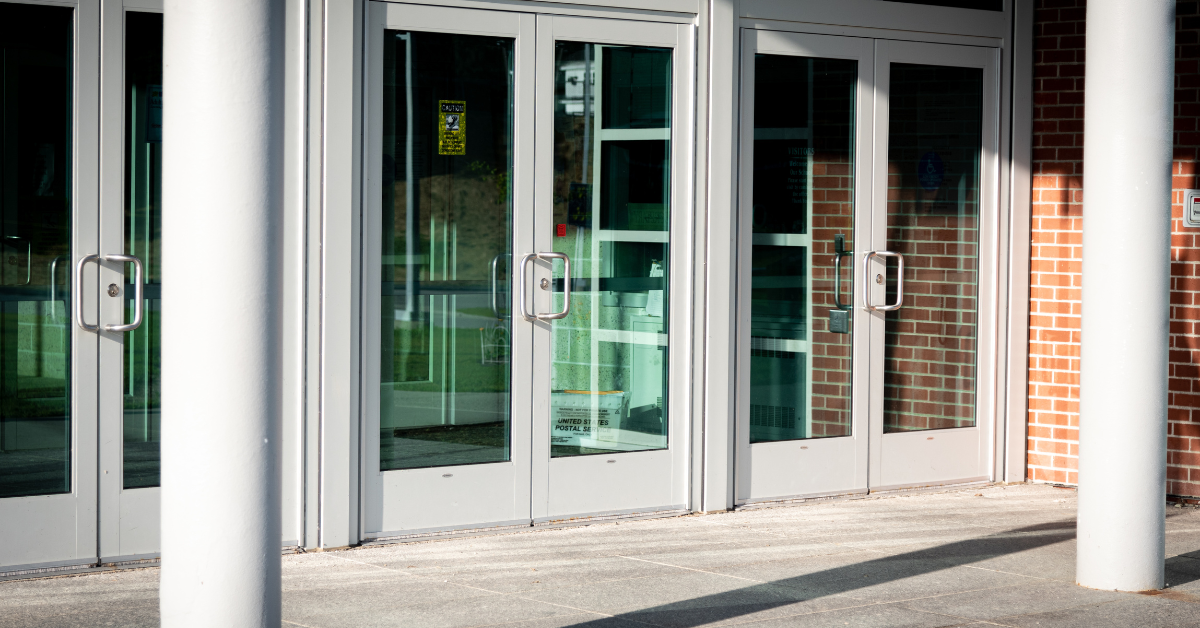
Front-of-house doors often use tempered glass or aluminium framing for visibility and curb appeal. Consideration must be given to energy-efficient glazing, weatherproofing, and security hardware.
Fire-Rated Doors
These are mandatory in many kitchens and utility areas. Fire-rated doors help compartmentalize incidents and give occupants time to evacuate.
Automatic Sliding Doors
Useful for main entries where hands-free access and accessibility are priorities. They boost convenience and align with ADA requirements.
Materials and Finishes: What Works Best
Material choice influences durability, hygiene, and appearance.
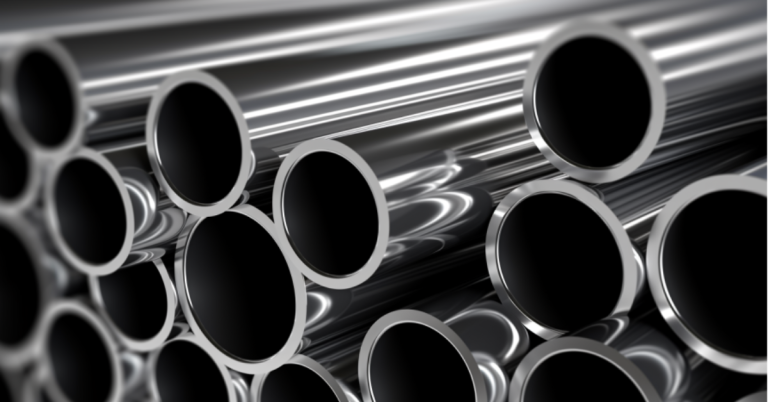
- Stainless Steel: Top choice for kitchens — resists corrosion, withstands heat and moisture, and cleans easily. Smooth finishes prevent bacterial harboring and handle frequent sanitization.
- Galvanized Steel: Strong and cost-effective for back-of-house and external utility doors; requires appropriate coatings to prevent rust in humid or coastal locations.
- Aluminium: Lightweight and corrosion-resistant; suitable for entrance doors and areas where visual appeal matters. Not as impact-resistant as steel for heavy-duty use.
- Fibreglass/Composite: Used occasionally for insulated doors; resistant to rot and moisture, with reasonable durability.
- Tempered Glass: Ideal for front-of-house doors where visibility is desired; must be fitted in sturdy frames and with security hardware.
Choose finishes that tolerate cleaning chemicals and high-traffic wear: powder-coatings, stainless polish, or specialist hygienic treatments.
Key Performance Features to Request
When specifying doors for a restaurant project, request these features:
- Hygienic surfaces: Non-porous, easy-to-clean materials and rounded edges reduce contamination risk.
- Durable hardware: Heavy-duty hinges, long throw closers, and stainless fasteners withstand daily use.
- Tight sealing: Effective gaskets and weatherstripping for chilled rooms to minimize thermal loss.
- Impact resistance: Reinforced panels and kick plates in high-contact zones.
- Vision panels: Small windows to prevent collisions while maintaining hygiene; choose shatterproof glazing.
- Fire rating: Certified ratings where required by local code.
- Sound insulation: Helpful between noisy kitchens and dining rooms to preserve atmosphere.
- Access control compatibility: Ability to integrate locks, keypads, or card readers for delivery areas and stockrooms.
- Ease of maintenance: Modular hardware that can be swapped without major downtime.
Specifying these features up front avoids retrofits and improves long-term performance.
Designing Doors for Specific Restaurant Zones
Different areas demand different door solutions. Below are practical recommendations.
Kitchen–Service Interfaces
Use double-action impact doors or sliding doors with smooth edges and an antibacterial finish. Vision panels at waist height reduce collisions. Consider automatic closers for hands-free operation.

Walk-in Coolers and Freezers
Select insulated doors with robust seals, recessed panic hardware on the inside, and quick-release handles. Add heated thresholds or vinyl strip curtains for high-traffic cold-room entries to reduce frost and thermal loss.
Delivery and Loading Areas
Heavy-duty roll-up or sectional doors with reinforced guides and seals keep deliveries efficient. Consider motorized operation with manual override for power outages.
Front-of-House Entrances
Select doors that balance style with performance: tempered glass or aluminium doors with thermal breaks, weather seals, and impact-resistant finishes. ADA-compliant thresholds and automatic operators enhance accessibility.
Utility and Waste Rooms
Use corrosion-resistant doors (stainless or galvanized steel) with strong locks and ventilation options. Consider self-closing hardware to reduce pest ingress.
Installation Best Practices
Proper installation is critical to performance:
- Professional measurement: Avoid field fitting issues by letting specialists assess openings, clearances, and floor levels.
- Correct frame anchoring: Heavy doors require reinforced frames and properly embedded anchors.
- Seal and finish: Ensure proper flashing and weatherproofing, especially on exterior doors and chilled-room frames.
- Alignment and hardware tuning: Doors must be plumb and hardware adjusted to avoid premature wear.
- Integration with building systems: Fire doors must tie into alarms and building safety protocols; electrically operated doors should integrate with backup power or manual overrides.
A professional installer will ensure doors meet function, safety, and warranty requirements.
Maintenance and Longevity
Routine maintenance keeps doors safe and extends lifespan:
- Clean surfaces with manufacturer-approved detergents; avoid abrasive cleaners that damage finishes.
- Lubricate hinges, rollers, and tracks monthly in heavy-use settings.
- Check seals and weatherstripping quarterly; replace worn strips to protect chilled rooms.
- Inspect closers, panic hardware, and locks regularly for proper operation.
- Test fire-rated doors and self-closing mechanisms per code.
- Keep spare parts on hand (hinges, gaskets, springs) for rapid replacement to minimize downtime.
A documented maintenance schedule reduces emergency repairs and keeps operations smooth.
Common Pitfalls and How to Avoid Them
Restaurants often make predictable mistakes when selecting doors:
- Using residential-grade doors in commercial settings: They’ll quickly fail under heavy use. Use commercial-rated assemblies.
- Ignoring hygiene in material selection: Porous or textured surfaces can harbor bacteria. Choose smooth, cleanable finishes.
- Underestimating energy loss: Poorly sealed cooler doors inflate utility bills and compromise food safety.
- Overlooking staff ergonomics: Doors that require awkward use slow staff and increase accident risk. Prioritize hands-free or easy-opener options where appropriate.
- Missing code requirements: Fire-ratings, egress, and accessibility rules must be confirmed with local authorities before purchase.
Avoiding these mistakes saves money and keeps your operation compliant.
Choosing a Supplier and Installer
Select vendors who specialize in commercial and hospitality environments. Look for:
- Track record with restaurants or food-service clients.
- Knowledge of local building codes and compliance requirements.
- Warranties on materials and installation.
- Availability of after-sales service and spare parts.
- Ability to supply exact anchor hardware and hygienic finishes.
If you’re sourcing industry-grade solutions, trusted providers that understand restaurant needs can simplify selection and installation — for example, consider professional options like commercial doors for restaurants.
Conclusion
Doors in restaurants carry responsibilities far beyond opening and closing. They shape operational flow, food safety, energy performance, and the customer experience. Thoughtful selection — from materials and hardware to installation and maintenance — ensures doors remain reliable partners in daily service. Whether you’re building a new restaurant or upgrading an existing facility, prioritize commercial-grade products, professional installation, and ongoing maintenance to keep your operation safe, efficient, and welcoming for customers and staff alike.